The Art of Procrastination
I appear to have an exceptional talent for avoiding the final wrap-up chapters of a book. Sadly, it's a talent not easily monetized.
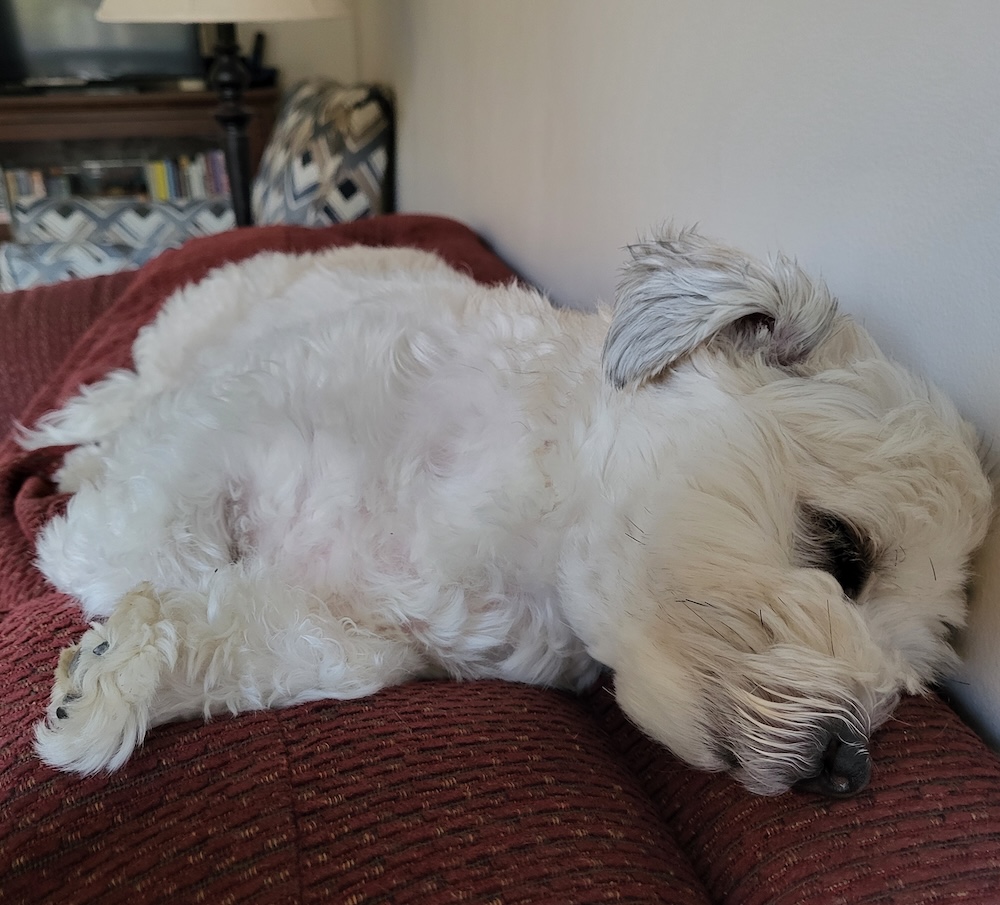
I have three chapters to go in my current WIP.
I have them outlined.
I have the witty banter between characters written.
I know how to end the book, wrap it up and be done with it. At least until I go back in a month or two to edit.
Am I doing any of those things?
Take a guess.
I'm baking. I'm coding a website. I'm writing a completely different book. I'm second guessing my writing on a different manuscript I finished half a year ago.
I'm procrastinating.
Maybe it's just this book. I'm usually a fast writer, but I've been at this one since April.
I started this book without an outline. All I had was an idea: What if the worst day in a middle-aged man's boring life just kept getting worse, until it turned out that worse was kind of better all along?
I met Irwin, a fictional 53-year-old man who recently lost his job. He never truly enjoyed it, but he also never imagined anything better.
He comes home to his empty, rent-stabilized, walk-up apartment above a restaurant to find a box waiting for him. The results of his mail-in DNA test.
Which shows his parents are not biologically related to him.
They tell him he's adopted.
And that he was born with a tail.
Having nothing else to do, he decides to see if he can find out more about his birth parents.
He goes to the adoption agency and discovers that it's being run by someone who claims to be his biological great-aunt.
She has a tail too. And hooves.
From there I put Irwin in all sorts of difficult positions, trying to help the centaurs he's related to, the human brother he's not, and the repercussions of giving a very anomalous DNA sample to a company that would love nothing more than to make that DNA their intellectual property.
I think the book is pretty decent, even though I have no idea what genre it actually is.
But I pantsed my way into so many threads, I actually had to sit down and outline the ending.
And now I don't want to write it.
There's no moral to this story.
Just a common theme that all writers, I imagine, encounter from time to time.
I'm going to work through it.
Then write another book.